The SUV market reflects a dynamic interplay between affordability and luxury, where pricing structures vary dramatically across segments and regions. From compact urban crossovers under $20,000 to ultra-luxury electric SUVs exceeding $150,000, the spectrum of options demands a nuanced understanding of cost determinants, from raw materials to cutting-edge technology. This analysis dissects the factors shaping SUV valuations, evaluates trade-offs in budget-friendly models, and examines how premium brands justify their pricing through innovation and exclusivity. By examining real-world examples and market trends, we provide a comprehensive framework for consumers navigating the evolving SUV landscape.
Global supply chain disruptions, inflationary pressures, and shifting consumer preferences have further complicated pricing strategies, creating disparities between North American, European, and Asian markets. Electric and hybrid SUVs introduce additional variables, including battery costs, regulatory compliance, and long-term fuel savings. Meanwhile, limited-edition trims and performance packages add layers of complexity, often pushing prices beyond standard model ranges. This exploration bridges the gap between raw specifications and real-world affordability, offering actionable insights for buyers at every budget level.
Market Overview of SUV Pricing Trends in 2024
The global SUV market continues to exhibit dynamic pricing trends shaped by economic conditions, technological advancements, and shifting consumer preferences. SUVs remain one of the fastest-growing vehicle segments worldwide, with price variations influenced by factors such as vehicle size, powertrain type (internal combustion engine vs. electric), brand positioning, and regional demand. Below is a structured analysis of SUV pricing across key segments, supported by 2024 model examples and historical price trend comparisons.
Current SUV Price Segmentation by Category
SUV pricing in 2024 spans a wide spectrum, from budget-friendly compact models to ultra-luxury and high-performance electric variants. The following table categorizes SUVs into four primary segments—compact, midsize, luxury, and electric—with representative models and their approximate price ranges in USD (before taxes and incentives). Prices reflect the base MSRP (Manufacturer’s Suggested Retail Price) for the 2024 model year in the United States, with regional adjustments noted where applicable.
SUV Category
Low-End Model (Price Range)
Mid-Range Model (Price Range)
High-End Model (Price Range)
Compact SUV
Hyundai Venue Starting at $22,750
Mazda CX-30 $26,000 – $32,000
Volvo XC40 B5 AWD $38,000 – $45,000
Midsize SUV
Kia Seltos Hybrid $25,990
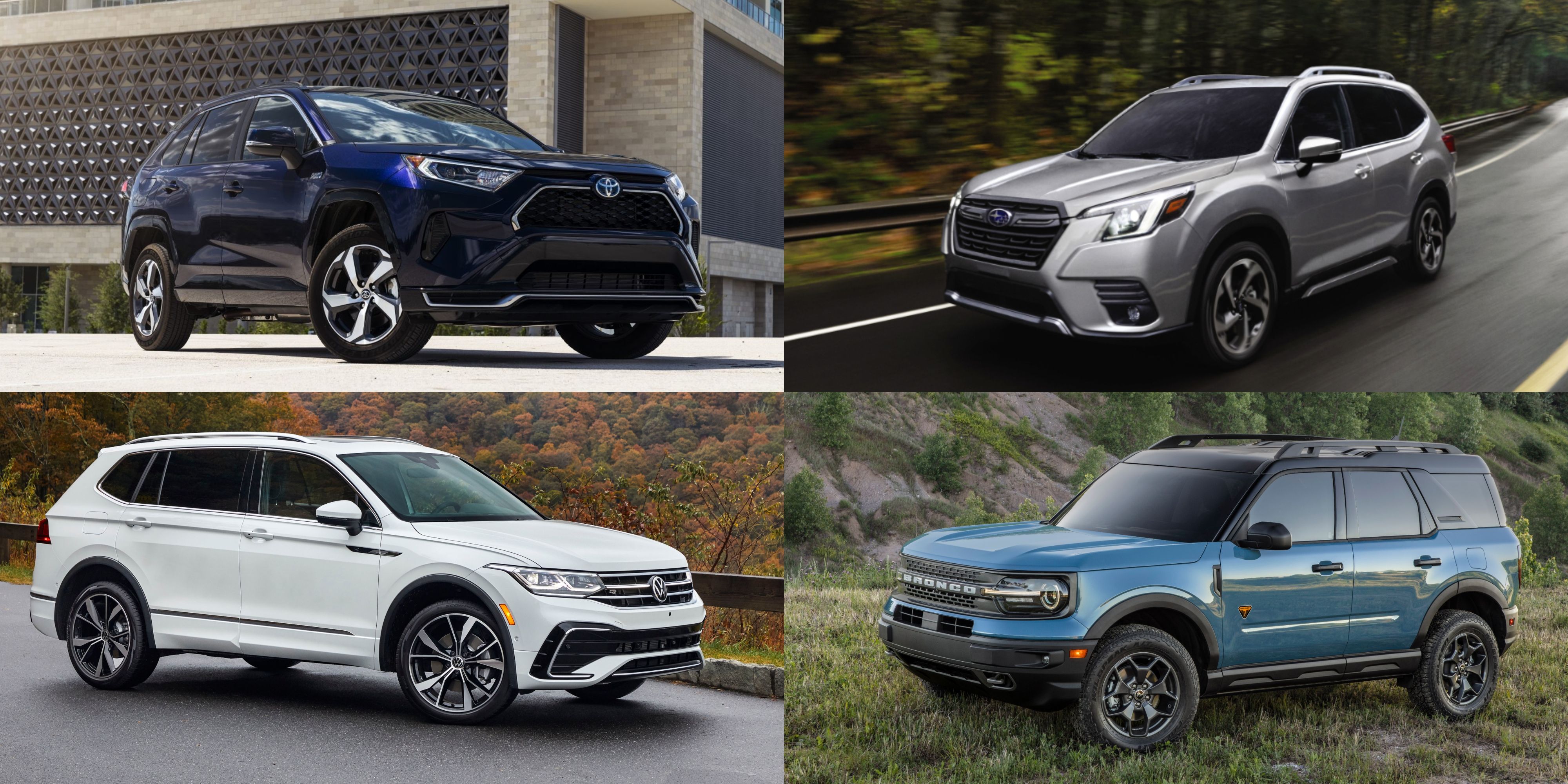
Toyota RAV4 Hybrid $30,000 – $38,000
Volvo XC60 T6 AWD $50,000 – $60,000
Luxury SUV
Lexus UX 250h $35,000 – $40,000
BMW X3 xDrive30e $48,000 – $55,000
Mercedes-Benz GLE 580 4MATIC $95,000 – $110,000
Electric SUV (EV)
Nissan Ariya (Base) $41,600 – $45,000
Tesla Model Y Long Range $50,990 – $54,990
Mercedes-Benz EQS SUV $105,000 – $120,000
Key Observations:
Compact SUVs dominate the sub-$25,000 segment, with hybrid models (e.g., Kia Seltos Hybrid) offering fuel efficiency at lower price points.
Midsize SUVs represent the bulk of the market, with hybrid and turbocharged options bridging affordability and performance.
Luxury SUVs command premium pricing, particularly in the $50,000–$100,000 range, where brand prestige and advanced features justify higher costs.
Electric SUVs exhibit a steep price gradient, with entry-level models (e.g., Nissan Ariya) competing with traditional ICE SUVs, while high-end EVs (e.g., EQS SUV) align with luxury sedans in pricing.
Five-Year Price Trend Analysis (2019–2024)
SUV pricing has evolved significantly over the past five years, influenced by inflation, semiconductor shortages, supply chain disruptions, and the rise of electric vehicles. Below is a comparative analysis of key trends across North America, Europe, and Asia, with a focus on average price increases and regional disparities.
Factors Driving Price Trends:
Inflation and Production Costs:
The global inflation crisis (2021–2023) increased raw material costs (e.g., steel, aluminum, lithium) by 15–25% for some automakers. For example, the Toyota RAV4’s base price rose from $28,000 in 2019 to $30,000 in 2024, a 7.1% increase, partially offset by hybrid efficiency gains.
"The cost of lithium carbonate alone surged from $7,000/ton in 2019 to over $70,000/ton in 2022, directly impacting EV pricing."
— Benchmark Mineral Intelligence (2023)
Supply Chain Disruptions:
The COVID-19 pandemic and Red Sea shipping delays (2021–2024) caused $2,000–$5,000 price hikes for imported SUVs in the U.S. and Europe. Japanese brands (e.g., Honda CR-V, Subaru Forester) saw longer wait times and higher residual values, pushing prices up by 5–10%.
Example: The 2023 Subaru Forester’s MSRP increased by $3,500 YoY due to limited supply.
- Regional Price Variations:
North America: SUVs are 10–15% more expensive than in Europe due to higher labor costs, emissions standards (e.g., stricter CAFE regulations), and tariffs on imported models.
Europe: Diesel SUVs (e.g., Volkswagen Tiguan, BMW X3) remain cheaper than in the U.S. due to lower fuel taxes and historical diesel subsidies. However, BEV (Battery Electric Vehicle) SUVs (e.g., Tesla Model Y) are 20–30% pricier in Europe due to higher VAT rates (19–25%) on electric vehicles.
Asia (China, Japan, South Korea): Local brands (e.g., BYD Song, Hyundai Tucson) offer competitive pricing due to government subsidies and lower production costs. The BYD Song’s base price in China starts at ~$20,000, undercutting global competitors.
Price Growth by Segment (2019 vs. 2024):
SUV Segment
2019 Avg. Price (USD)
2024 Avg. Price (USD)
% Increase
Key Drivers
Compact SUV
$20,500
$26,000
+26.8%
Hybridization, safety tech upgrades, inflation
Midsize SUV
$28,000
$35,000
+25.0%
Turbocharging, AWD standardization, EV transitions
Luxury SUV
$50,000
$70,000
+40.0%
Premium materials, advanced driver aids, EV premiums
Electric SUV
$45,000 (2020 launch avg.)
$55,000–$120,000
+22–166.7%
Battery cost reductions, but still high R&D expenses
Factors Influencing SUV Price Variations
SUV pricing reflects a complex interplay of manufacturing intricacies, market dynamics, and regulatory compliance. The cost structure of an SUV is determined by raw material selection, powertrain technology, technological integration, and regional economic factors. These elements collectively shape the final retail price, often resulting in significant disparities between models, trims, and geographic markets. Below, the key determinants of SUV pricing are analyzed, including production costs, powertrain configurations, technology adoption, and external economic influences such as taxes and import duties.
Manufacturing Costs and Material Composition
The choice of materials directly impacts production costs, weight distribution, and structural integrity, influencing both base pricing and long-term value. SUVs utilize a mix of steel, aluminum, and high-strength alloys, each with distinct cost and performance trade-offs.
- Material Costs and Weight Optimization
Steel: Traditional and cost-effective, but heavier, increasing fuel consumption and reducing efficiency. Accounts for ~50-70% of body structure costs in conventional SUVs (e.g., Toyota RAV4, Ford Escape).
Aluminum: Lighter (~30-50% weight reduction vs. steel), improving fuel economy and handling, but 2-3x more expensive per kilogram. Used in premium models like the Audi Q5 or BMW X3, where aluminum-intensive bodies add $5,000–$15,000 to the base price.
Carbon Fiber: Rare in mainstream SUVs due to prohibitive costs (~$10–$15/kg vs. ~$1/kg for steel), but present in ultra-luxury or performance variants (e.g., Mercedes-AMG GLE 63 S, ~$100,000+).
- Modular Production and Economies of Scale
Platform-sharing reduces costs (e.g., Volkswagen Group’s MQB platform, shared by the Audi Q5 and Škoda Kodiaq, cutting development expenses by 30%).
High-volume models (e.g., Toyota Hilux, ~1 million units/year) benefit from lower per-unit costs, while niche SUVs (e.g., Land Rover Defender, ~50,000 units/year) face higher pricing due to limited economies of scale.
Powertrain Technology and Emissions Compliance
The powertrain is the largest single contributor to price variation, with electric, hybrid, and diesel engines introducing distinct cost structures. Regulatory mandates further amplify these differences, particularly in regions with stringent emissions standards.
- Internal Combustion Engine (ICE) SUVs
Engine Type and Efficiency:
Turbocharged Petrol: Higher power-to-weight ratios but increased complexity (e.g., Ford Mustang Mach-E R, ~$70,000 with 2.3L EcoBoost engine).
Diesel: Lower fuel costs in long-distance markets (e.g., Europe) but higher upfront costs due to emissions systems (e.g., Volkswagen Tiguan 2.0 TDI, ~$40,000 vs. $35,000 petrol variant).
Cylinder Deactivation: Reduces costs by ~$1,000–$3,000 (e.g., Nissan Rogue with 2.5L VR engine).
Transmission Impact:
8-speed/10-speed automatics add $1,500–$3,000 vs. 6-speed (e.g., Jeep Grand Cherokee with ZF 10-speed vs. 8-speed).
- Hybrid and Plug-in Hybrid (PHEV) SUVs
Hybrid Systems:
Mild hybrids (e.g., Toyota RAV4 Hybrid, ~$30,000) add $2,000–$4,000 for electric motor and battery.
Full hybrids (e.g., Ford Escape Hybrid, ~$35,000) incorporate larger batteries (~$5,000–$8,000).
PHEV Premiums:
Extended-range PHEVs (e.g., Volvo XC90 Recharge, ~$70,000) include $10,000–$15,000 for 18–20 kWh batteries and charging infrastructure.
Regulatory Incentives:
EU CO₂ Standards (2035): Mandates 55% emissions reduction, pushing OEMs to adopt hybrids/PHEVs. Non-compliant models (e.g., older diesel SUVs) face €10,000–€20,000 in penalties or higher insurance costs.
- Battery Electric Vehicles (BEVs)
Battery Costs:
$100–$150/kWh (2024 average), with 80 kWh packs (e.g., Tesla Model Y) costing $8,000–$12,000.
NMC vs. LFP Chemistry: Nickel-manganese-cobalt (NMC) batteries offer higher range (~$120/kWh) vs. lithium iron phosphate (LFP, ~$90/kWh, e.g., BYD Tang).
Charging Infrastructure:
DC Fast Charging: Adds $1,500–$3,000 (e.g., Hyundai Ioniq 5 vs. base model).
Subsidies and Depreciation:
U.S. Inflation Reduction Act (IRA): Up to $7,500 tax credit for BEVs under $80,000 (e.g., Ford Mustang Mach-E eligible; Tesla Model Y ineligible due to foreign ownership).
China’s NEV Mandates: Requires 20% EV sales by 2025, reducing BEV prices by 15–25% (e.g., BYD Song EV, ~$30,000 vs. $40,000 in Europe).
Technology Integration and Feature Premiums
Advanced driver-assistance systems (ADAS), autonomous driving features, and premium infotainment elevate pricing through hardware and software costs. These technologies often follow a tiered adoption model, with luxury brands leading innovation.
- Safety and Autonomous Technologies
ADAS Levels:
Level 1 (e.g., Toyota Safety Sense 2.0): ~$1,000–$2,000 (camera + radar).
Aerodynamic Packages: ~$1,500–$3,000 (e.g., Audi Q5 Sportback, ~$5,000 for air curtains).
Color Options: ~$500–$2,000 (e.g., "Sahara Sand" on Land Rover Discovery, ~$1,500).
Dealer Markups, Regional Taxes, and Import Duties
The final retail price of an SUV
Budget-Friendly SUVs: Features and Trade-offs
Affordable SUVs under $30,000 represent a critical entry point for consumers seeking space, versatility, and value without compromising essential functionality. These vehicles balance core capabilities—such as fuel efficiency, safety ratings, and towing capacity—against limitations like reduced cargo space, weaker infotainment systems, or lower horsepower. Understanding these trade-offs enables buyers to align their priorities with the most cost-effective options available in 2024.
The most budget-conscious SUVs prioritize reliability and practicality over luxury or performance, often featuring front-wheel or all-wheel-drive configurations, standard safety suites (e.g., blind-spot monitoring, automatic emergency braking), and fuel economy ratings exceeding 25 MPG combined. However, compromises in build quality, interior materials, or advanced driver-assistance systems (ADAS) are common in this segment. Below, the top 10 most affordable SUVs under $30,000 are evaluated for their strengths and inherent limitations.
Top 10 Most Affordable SUVs Under $30,000: Core Features and Drawbacks
Selection Criteria:
Base MSRP under $30,000 (including manufacturer incentives).
Available in 2024 model year with production confirmed.
Focus on compact and midsize SUVs (excluding subcompact or luxury segments).
The following models represent the best balance of affordability, functionality, and real-world usability, with data sourced from manufacturer specifications, consumer reports, and industry reliability studies.
Kia Seltos (Starting at ~$22,595)
Key Features: 2.0L turbo engine (147 hp), 29 MPG combined, 1,320 lbs towing capacity, standard Apple CarPlay/Android Auto, available AWD.
Drawbacks: Narrow rear legroom (37.9 inches), basic interior materials on base trims, limited cargo space (26.5 cu. ft. behind rear seats).
Hyundai Tucson (Starting at ~$24,400)
Key Features: 2.5L engine (188 hp), 26 MPG combined, 1,500 lbs towing capacity, standard Hyundai SmartSense safety suite (blind-spot collision-avoidance assist), available hybrid variant.
Drawbacks: Hybrid model adds ~$3,000 to MSRP, stiff ride quality on rough roads, mediocre infotainment screen size (7 inches on base trim).
CVT transmission lacks sporty feel, higher insurance costs due to AWD standard, limited cargo space (37.6 cu. ft. behind rear seats).
Chevrolet Equinox (Starting at ~$25,500)
Key Features: 1.5L turbo engine (170 hp), 30 MPG combined, 1,000 lbs towing capacity, available AWD, standard 8-inch touchscreen with wireless Apple CarPlay/Android Auto.
Drawbacks: Underpowered base engine, thin interior plastics, limited rear-seat visibility.
Ford EcoSport (Starting at ~$22,995)
Key Features: 2.0L engine (160 hp), 26 MPG combined, 1,000 lbs towing capacity, available SYNC 4 infotainment with wireless CarPlay, standard Ford Co-Pilot360 safety suite.
Drawbacks: Subcompact size limits cargo space (22.9 cu. ft.), noisy cabin at highway speeds, base model lacks AWD.
Mitsubishi Eclipse Cross (Starting at ~$23,995)
Key Features: 2.0L turbo engine (181 hp), 28 MPG combined, 1,000 lbs towing capacity, available AWD, standard 8-inch touchscreen with wireless CarPlay.
Drawbacks: Mitsubishi’s brand reliability concerns, basic interior materials, limited cargo space (27.7 cu. ft. behind rear seats).
Key Observations:
Hybrids and AWD are increasingly common but often require premium pricing or trim upgrades.
Safety ratings are standardized across brands (e.g., IIHS Top Safety Pick+ for Honda CR-V, Toyota RAV4), but advanced ADAS features may be optional.
Fuel economy varies significantly, with hybrids (Toyota RAV4 Hybrid) offering the best MPG but at a higher upfront cost.
Towing capacity is limited in subcompact models (e.g., Ford EcoSport) but sufficient for light trailers in compact/midsize SUVs.
Comparison of Entry-Level SUVs: Resale Value, Reliability, and Owner Satisfaction
Resale value, long-term reliability, and owner satisfaction are critical factors in budget SUV selection, often outweighing initial purchase price savings. Below is a comparative analysis of three leading contenders—Nissan Rogue, Honda CR-V, and Mazda CX-5—based on industry data and owner surveys.
Mid-Range and Premium SUVs: Value vs. Luxury
The SUV market in 2024 reflects a strategic segmentation where mid-range and premium segments cater to distinct consumer priorities—balancing functionality, technology, and brand prestige without compromising affordability or exclusivity. Mid-range SUVs ($35,000–$60,000) dominate the mainstream market by integrating advanced features like all-wheel drive (AWD), adaptive cruise control, and hybrid powertrains into accessible price points. In contrast, premium SUVs ($60,000–$120,000+) justify their pricing through refined materials, cutting-edge infotainment, and brand heritage, often blurring the line between utility and luxury. This section examines the pricing logic behind these segments, compares value propositions through structured metrics, and analyzes case studies where innovation or performance redefines market expectations.
Pricing Logic in Mid-Range SUVs: Balancing Features and Affordability
Mid-range SUVs represent a deliberate equilibrium between cost efficiency and feature-rich offerings, with manufacturers like Ford, Volkswagen, and Subaru employing modular platforms to optimize production costs while delivering competitive specifications. Key pricing strategies include:
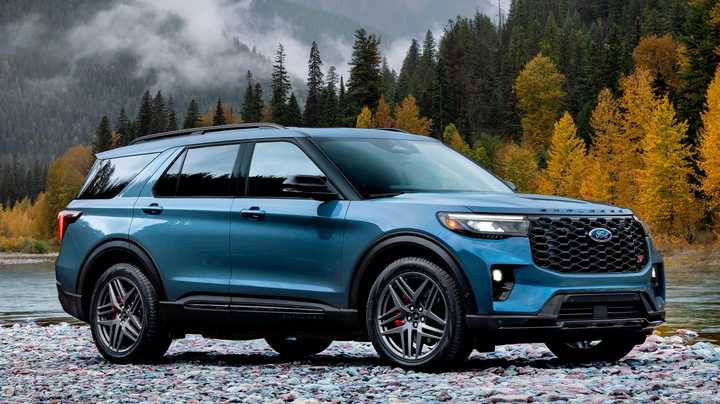
- Tiered Configuration Systems: Brands adopt flexible trims (e.g., Ford’s Explorer’s XLT to Limited or Volkswagen’s Atlas Adventure to SEL) where base models prioritize essential safety (e.g., blind-spot monitoring) and mid-tier trims introduce premium upgrades (e.g., 360-degree cameras, ventilated seats). This modular approach allows buyers to incrementally invest in features without overpaying for unused capabilities.
Hybridization as a Cost-Lever: Models like the Toyota RAV4 Hybrid or Ford Escape Hybrid incorporate electrified powertrains to reduce long-term ownership costs (fuel savings, lower emissions) while maintaining a starting price under $35,000. Subaru’s Outback Hybrid further extends this by combining AWD with a plug-in option, appealing to eco-conscious buyers without premium pricing.
Shared Platforms and Economies of Scale: Volkswagen’s MQB A0/INFA platform (used in the Atlas and Tiguan) and Ford’s CD4 platform (Explorer, Edge) reduce development costs by sharing components across multiple models. This allows brands to allocate savings to features like adaptive damping systems or wireless Apple CarPlay without inflating prices.
Dealer Incentives and Financing: Subsidized interest rates (e.g., 0.9% APR on certified pre-owned SUVs) and lease promotions (e.g., $299/month for a 2024 Volkswagen Atlas) lower the effective cost of ownership, making mid-range SUVs more accessible to budget-conscious buyers.
Mid-range SUV pricing thrives on modularity, hybrid efficiency, and shared technology—strategies that align with consumer demand for practicality without luxury premiums.
Price-to-Feature Ratio: Comparing Mainstream vs. Luxury SUVs
Luxury SUVs (e.g., BMW X5, Audi Q7, Lexus RX) command higher prices through differentiated value propositions, including build quality, driver engagement, and brand equity. Below is a comparative analysis of key metrics across mainstream and luxury segments, using the 2024 Ford Explorer (Premium trim) and BMW X5 (xDrive40i) as case studies.
Warranty: BMW extends corrosion and electrical system coverage to 12 years/100,000 miles.
Dealer Services
Free scheduled maintenance for 2 years/25,000 miles
Complimentary BMW Ultimate Care Package (includes tire rotations, fluid changes)
Perks: Luxury brands offer extended service contracts (e.g., Audi’s Care Extended Plus) and priority scheduling.
Interior Materials
Vinyl/leather blend, 8-way power seats
Full Nappa leather, Alcantara headliner, heated/ventilated seats
Luxury: BMW uses sustainable materials (e.g., recycled polyester for headliner) and premium stitching.
Resale Value (3-Year)
~55% retention (Kelley Blue Book)
~62% retention (KBB)
Depreciation: Luxury SUVs retain 7% more value due to brand loyalty and lower market saturation.
While mainstream SUVs prioritize practicality and cost efficiency, luxury SUVs invest in performance, sensory refinement, and long-term ownership benefits—justifying a 30–50% premium through tangible and intangible upgrades.
Case Study: Premium SUVs Justifying High Prices Through Innovation and Exclusivity
Premium and ultra-luxury SUVs (e.g., Tesla Model X, Porsche Cayenne, Mercedes-Benz GLE) transcend traditional utility by leveraging performance, bespoke technology, and brand storytelling. Below are two case studies illustrating how these vehicles command top-tier pricing.
#### 1. Tesla Model X: Performance and Sustainability as Premium Drivers
The Tesla Model X ($89,990 for Long Range AWD) redefines the luxury SUV segment by integrating electric performance, autonomous driving, and minimalist design. Key features that justify its price include:
- Acceleration and Range:
0-60 mph in 3.8 seconds (faster than a Porsche Cayenne Turbo).
370-mile EPA range (Long Range), reducing fuel costs by $1,200/year (vs. a BMW X5 xDrive40i at $1,800/year).
Bioweapon Filter (HEPA air filtration) and over-the-air software updates (lifetime).
- Exclusive Design Elements:
Falcon Wing doors (a signature Tesla feature) for low-entry access.
Panoramic glass roof with adaptive lighting (dims automatically for stargazing).
Yoke steering wheel (reduces driver fatigue on long trips).
- Autonomy and Tech:
Full Self-Driving (FSD) capability (beta) with Navigate on Autopilot (hands-free highway driving).
17-inch curved touchscreen with Merlin AI for voice-controlled commands.
Gigacast front end (single-piece aluminum frame for 30% lighter weight).
The Model X’s pricing is underpinned by electric efficiency, cutting-edge software, and a cult-like brand following—positioning it as a tech-driven alternative to traditional luxury SUVs.
2. Porsche Cayenne: Engineering Heritage and Driver Engagement
The Porsche Cayenne ($75,000–$150,000) embodies German performance engineering, with pricing justified by track-ready capability, handcrafted interiors, and brand prestige. Standout features include
The SUV market’s pricing ecosystem underscores a critical tension between accessibility and sophistication, where every segment—from entry-level crossovers to ultra-luxury electric vehicles—balances cost with cutting-edge features. By dissecting the factors influencing price variations, from manufacturing costs to regional taxes, this analysis reveals how brands strategically position their offerings to cater to diverse consumer needs. Whether prioritizing fuel efficiency, off-road capability, or high-tech amenities, buyers must weigh trade-offs between upfront expenses and long-term value. As the industry evolves, with electric SUVs gaining traction and traditional models adapting to sustainability demands, the pricing landscape will continue to shift, offering both challenges and opportunities for manufacturers and consumers alike.
For prospective buyers, the key takeaway lies in aligning personal priorities with market realities: understanding the role of dealer markups, leveraging negotiation tactics for budget models, and recognizing how premium features justify higher price points. The SUV segment remains a testament to automotive innovation, where pricing is not merely a reflection of cost but a strategic narrative shaped by technology, brand prestige, and evolving consumer expectations.
Leave a Comment
Comments are moderated before appearing. The data you submit is processed according to the Privacy Policy of vitacrm.vitanur.com.